
Exploring the psychology behind gambling what drives our bets
The Allure of Risk and Reward
The thrill of gambling often lies in the dual nature of risk and reward. For many, placing a bet can evoke a rush of excitement and anticipation, akin to an adrenaline high. This phenomenon is rooted in our psychology; the brain’s reward system becomes activated when we engage in risky behavior, leading to feelings of pleasure. This connection is particularly strong in games of chance, where outcomes are uncertain, and the stakes are high. Additionally, when considering your options for a getaway, explore resources such as http://aerarann.ie/ that can enhance your understanding of the risks involved.
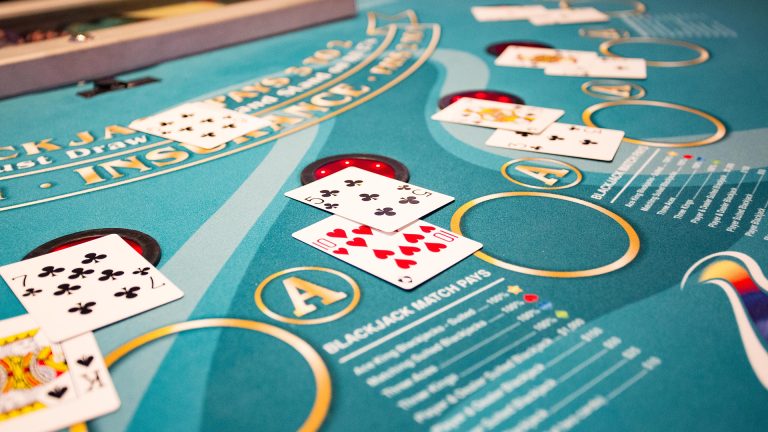
Furthermore, the potential for substantial financial gain can amplify this excitement. The idea that one small wager could lead to life-changing sums of money can motivate individuals to take risks they might otherwise avoid in their daily lives. This interplay between risk and reward is a fundamental aspect of gambling, driving people to seek out the experience time and again.
Illusion of Control and Superstitions
Many gamblers operate under the illusion that they have more control over outcomes than they actually do. This illusion, combined with cognitive biases, leads individuals to develop superstitions and rituals. For example, players may believe that wearing a lucky shirt or performing a specific action can influence the outcome of a game. This belief can create a false sense of confidence, encouraging more frequent betting and a deeper engagement with gambling.
This psychological phenomenon can lead to what is known as the “gambler’s fallacy,” where individuals believe that past events influence future outcomes. For instance, a player might think that a particular number is “due” to come up, prompting them to place more bets. This cycle of behavior can make it difficult for individuals to recognize their own patterns of irrational thinking and may contribute to problematic gambling habits.
The Social Aspect of Gambling
Gambling is often a social activity, with many people enjoying the camaraderie of betting in groups. This social dynamic can enhance the thrill, as shared experiences amplify emotions and create a sense of belonging. Many casinos and online platforms facilitate this by offering communal spaces and interactive features, making gambling feel like a shared event rather than a solitary endeavor.
The social aspect can also lead to peer pressure, pushing individuals to gamble more than they might on their own. Friends may encourage each other to place larger bets or try riskier games, which can escalate gambling behaviors. This reinforces the psychological drivers behind gambling, as individuals seek social validation and enjoyment in their wagering activities.
Escape and Stress Relief
For some individuals, gambling serves as a form of escape from everyday stressors. The immersive nature of gambling can offer a temporary distraction, allowing players to forget about their problems and immerse themselves in the thrill of the game. This escapism can be particularly appealing during challenging times, leading individuals to turn to gambling as a coping mechanism.
However, this reliance on gambling as a form of stress relief can become problematic if it leads to excessive betting and financial issues. The initial relief can quickly turn into increased anxiety when losses mount, creating a vicious cycle that is difficult to break. Understanding this psychological drive is crucial for those seeking to address their gambling behaviors and find healthier coping mechanisms.

Understanding Gambling Through Research and Resources
To truly grasp the psychology behind gambling, it’s important to turn to reliable research and resources. Many studies delve into the cognitive and emotional factors that drive gambling behaviors, offering insights into how our minds work when we place bets. These findings can help individuals recognize their own motivations and possibly mitigate risky behaviors.
If you’re interested in exploring this topic further, there are various websites and organizations dedicated to providing information and support for gambling issues. These platforms often offer practical advice, strategies for responsible gambling, and avenues for those seeking help. By educating ourselves about the psychological underpinnings of gambling, we can make more informed choices and foster healthier relationships with risk and reward.